UK Wigs and Hair Toppers
UK wig and hair topper options, cap fit, hair types, lengths and construction in a practical guide to comparing styles and choosing what suits your needs.

Guide
Wigs and Hair Toppers at a Glance
UK wigs and hair toppers offer different approaches to adding hair: one covers the whole head, while the other blends with hair already present.
Wigs
A UK guide to wig fibres, cap construction, fit and styles, with practical comparisons to help you assess the options that match your needs.
Hair Toppers
A practical hair topper guide to base types, attachment methods, fibre and fit, with comparisons to help narrow options for different coverage needs.
Size and Fit
A well-fitting cap helps a wig sit securely and feel comfortable, while the stated length offers a starting point for comparing styles.
Hair Toppers and Coverage
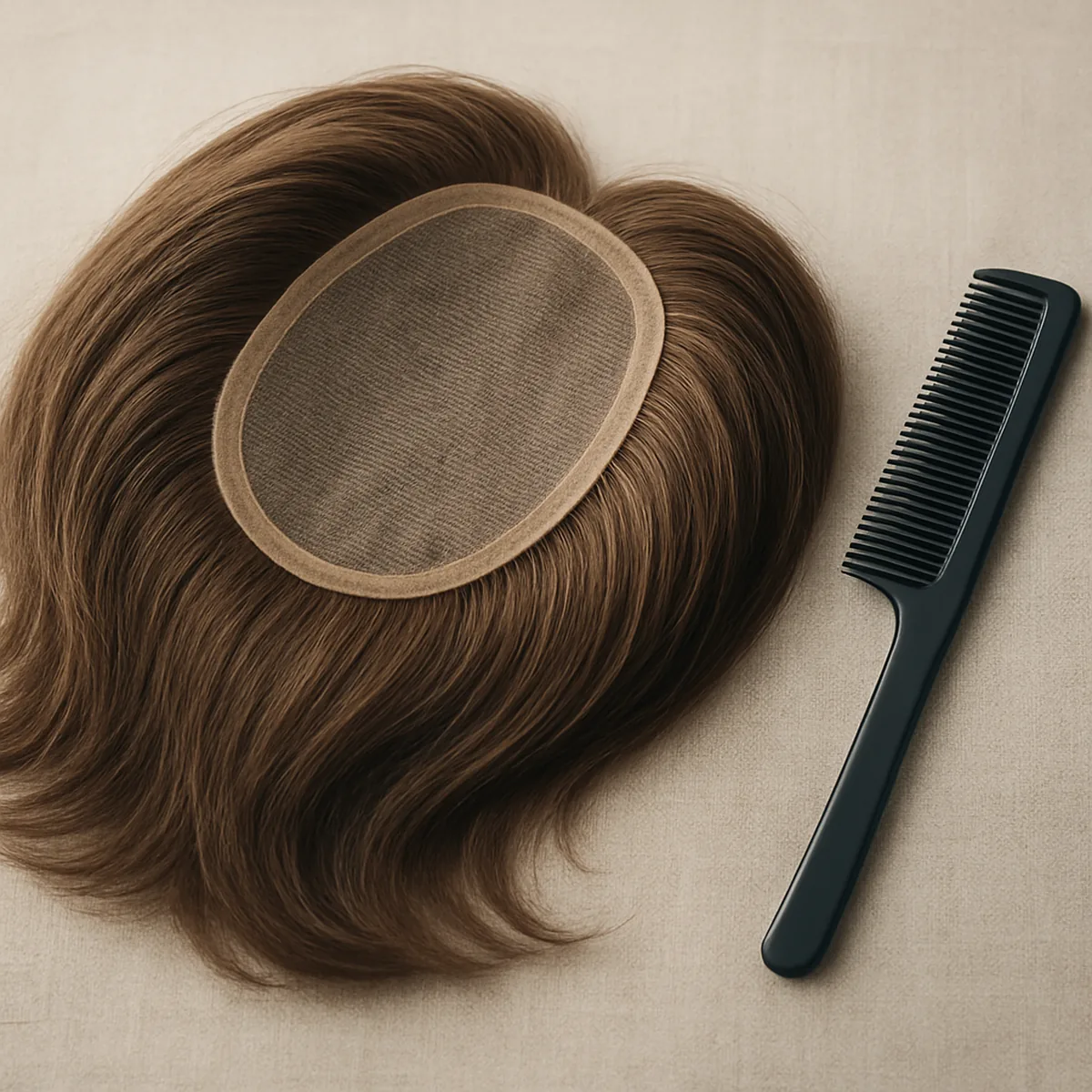
Hair toppers add hair over a chosen part of the scalp while leaving surrounding hair uncovered. The amount of coverage depends on the base footprint, not simply the length or volume of its fibres. A topper may be secured to existing hair with clips or another attachment system, so compatibility with natural hair matters.
Human Hair Wigs
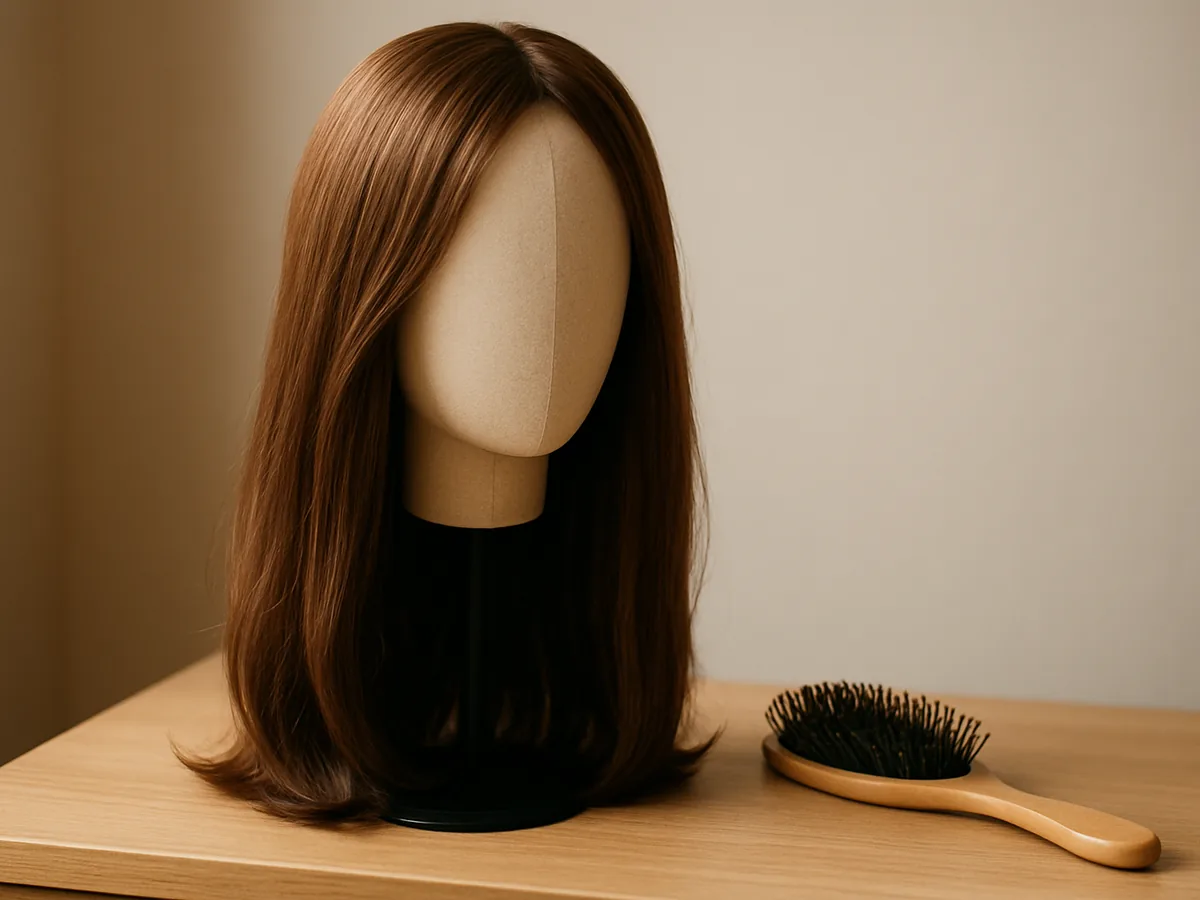
Human hair wigs and fibre wigs differ in how they respond to styling and washing. A human hair wig can usually be restyled with heated tools, while many synthetic styles are designed to hold their set shape. Heat-friendly synthetic fibres have separate care requirements, so check the product guidance before using heat.
Guides
Choosing a Wig for Your Needs
-
How to Measure Wig Cap Size and Length
Step-by-step guidance on head measurements, petite cap fit and wig length, including a measurement checklist and common sizing mistakes to avoid.
-
Wig Lengths and How to Compare Them
A practical guide to wig length descriptions, measurement points and the effect of curl and layers, with a checklist for comparing styles accurately.
-
Lace Front Wigs
A clear guide to lace front wig construction, how it differs from other cap fronts, and the fit, care and styling details to compare for everyday wear.
Wigs and Hair Toppers at a Glance
UK wigs and hair toppers offer different approaches to adding hair: one covers the whole head, while the other blends with hair already present. The main choices include fibre, construction, fit, length and how much styling a style needs. A full wig provides complete coverage; a topper is intended for a selected area, such as the crown. Comparing these basics can help narrow the options before considering individual styles.
Wigs and Toppers Compared
A wig replaces or covers the hair across the head; a topper adds coverage where needed and leaves surrounding hair visible. Their typical differences are summarised below.
| Feature | Wig | Hair topper |
|---|---|---|
| Coverage | Whole head, including the hairline and crown | A selected area, often the crown or parting |
| Attachment | Fits over the head; may use combs, adjustable straps or grip features | Usually clips onto existing hair; some designs use other attachment methods |
| Fibre | Available in synthetic fibre or human hair | Available in synthetic fibre or human hair, chosen to blend with natural hair |
| Fit consideration | Cap fit across the head and secure positioning | Base size and clip placement relative to the area needing coverage |
Both options come in varied lengths and styles, but their styling needs depend on fibre and construction. The key distinction is coverage: a wig covers the head, while a topper supplements hair in a specific area.
Choosing a Wig for Your Needs
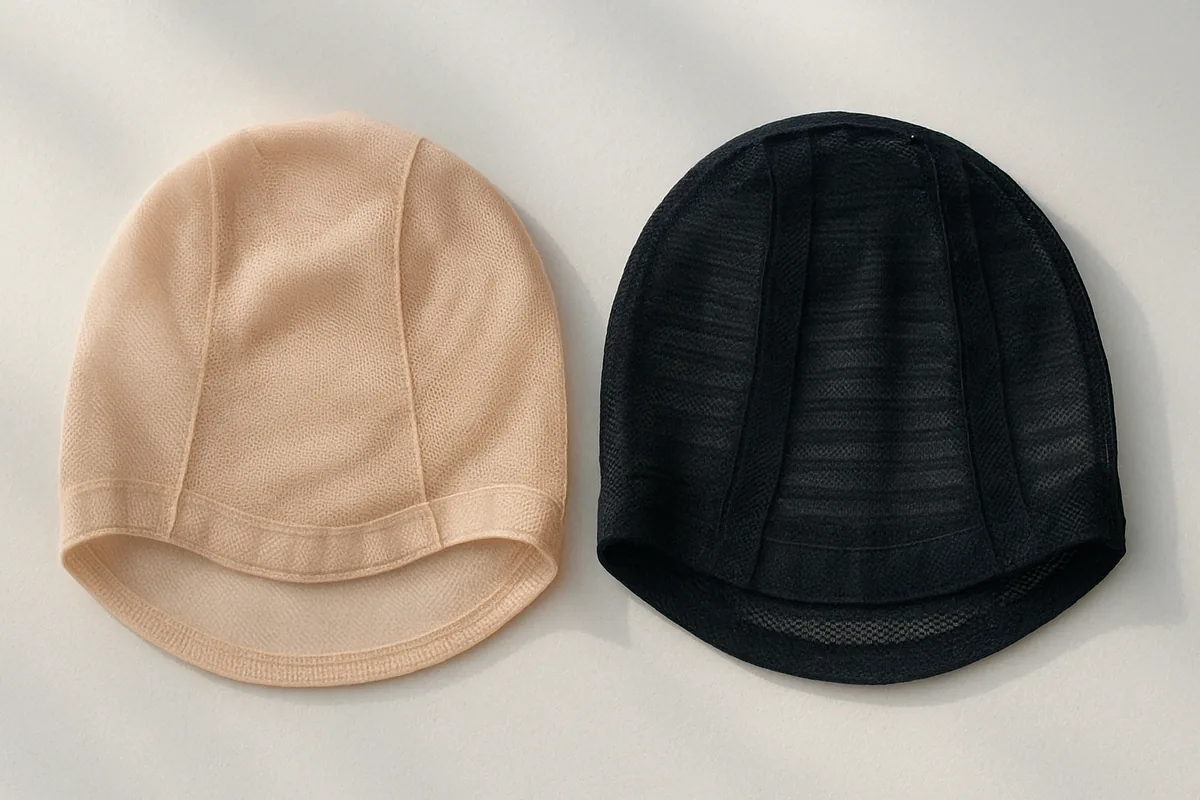
The right wig depends on how it is built, how it feels to wear and how much styling it needs. Consider your usual routine alongside the look you want, since a style that suits an occasional event may not be the easiest choice for everyday wear. Compare construction and fibre before narrowing down colour or finish. The points below help organise those choices without treating one type as suitable for everyone.
Compare Wig Options
Start with the features that affect appearance, comfort and daily effort, rather than choosing by colour alone. Compare these five points with how and when you plan to wear the wig.
- Cap construction: Weigh ventilation, coverage, parting options and hairline appearance; different constructions change how the wig sits and which styles look convincing.
- Fibre: Synthetic hair often keeps its preset shape, while human hair permits heat styling; blends vary, so check the specific fibre’s care requirements.
- Fit: Compare cap measurements with head circumference and check adjustment features; a secure, comfortable fit supports natural movement through a full day.
- Intended wear: Consider how often and for how long you will wear the wig, then prioritise features that suit that schedule.
- Styling and upkeep: Match the desired finish and time for detangling or resetting to the wig’s construction and fibre limits after each wear.
Dedicated topic pages narrow comparisons by fibre, construction, coverage, wearer group and published ranges, helping clarify which options merit closer consideration.
Wigs for Women
Women’s wigs range from short, low-maintenance cuts to long styles with layers, waves or curls. Coverage, cap construction and fit all affect how a wig looks and feels during a typical day. Compare the shape you want with practical details such as adjustable tabs, ear-tab placement and the cap’s feel against the scalp. UK wigs are available in varied lengths, colours and densities, so the intended style and daily routine can guide your shortlist.
Women’s Wig Choices
Women’s wig choices include cropped pixie cuts, chin-length bobs, shoulder-length layers and longer styles with waves or curls. A fringe can soften the front outline, while a side part or centre part changes the overall shape. Consider whether you want full-head coverage or a particular silhouette, then compare how the style sits around the crown, temples and nape. Cap fit matters for comfortable wigs for everyday wear: adjustable tabs can refine the fit, and well-positioned ear tabs help the wig sit evenly. The cap should feel secure without creating pressure or shifting when you turn your head. Check the cap’s weight and lining, especially if you expect to wear it for several hours. A style that needs frequent restyling may be less practical than a cut that falls into place after gentle combing. Topics to compare include women’s styles, coverage, cap fit, secure positioning, comfort and everyday styling.
Human Hair Wigs
Human hair wigs and fibre wigs differ in how they respond to styling and washing. A human hair wig can usually be restyled with heated tools, while many synthetic styles are designed to hold their set shape. Heat-friendly synthetic fibres have separate care requirements, so check the product guidance before using heat. For human hair wigs in the UK, compare the fibre type with the time and tools you want to spend on styling.
Human Hair and Fibre Choices
Human hair wigs are made from human hair and can generally be restyled using heated tools, subject to the maker’s temperature guidance. Like natural hair, the style may need refreshing after washing; a straight finish, for example, may require blow-drying or careful use of a straightener. Human hair can suit someone who wants to change styles, but its handling involves regular styling and care.
Synthetic wigs are made from manufactured fibres and often retain the shape set into the style after washing. Standard synthetic fibres are not intended for heated tools; use heat only when the product is specifically labelled heat-friendly and follow its stated limit. Blended wigs combine human hair and synthetic fibres, so their styling response and care depend on the fibre mix and construction. Check the care instructions rather than assuming a blend can be treated like either fibre alone. For a frequently changed look, consider human hair; for a style intended to keep its shape with less restyling, consider synthetic fibre. Choose a blend only when its specific care guidance suits your routine.
Hair Toppers and Coverage
Hair toppers add hair over a chosen part of the scalp while leaving surrounding hair uncovered. The amount of coverage depends on the base footprint, not simply the length or volume of its fibres. A topper may be secured to existing hair with clips or another attachment system, so compatibility with natural hair matters. Comparing dimensions, construction and attachment can help narrow options for crown thinning or a widening part.
Topper Bases and Attachments
A topper covers a selected area, such as the part or crown; a larger base covers a broader area but also sits over more natural hair. Common product dimensions include approximate examples below, though sizing and construction vary by supplier.
| Base example | Construction and attachment | Intended coverage |
|---|---|---|
| About 3 × 5 inches | Compact lace or monofilament base; clips can secure it to natural hair. | A localized part or small crown area. |
| About 5 × 5 inches | Medium base, often with a monofilament parting area; clips are positioned around the base. | A part and a wider area around the crown. |
| About 7 × 8 inches | Larger base; clips are common, while some designs allow tape attachment. | Broader crown coverage extending beyond a single part. |
Clips fasten to existing hair; tape is another option on suitable designs. Topper guides compare the base footprint with the area needing coverage, then consider construction, attachment, natural-hair density and length, and desired coverage. A close match helps the base sit securely and blend with surrounding hair.
Lace Front Wig Construction
Front construction describes how fibres meet the wig’s edge at the forehead, rather than the cap’s overall size. Lace fronts and finished fabric or machine-made edges create different hairline effects. The choice can affect how the wig sits and how carefully its front edge needs to be handled. Comparing these details helps when choosing a style for everyday wear or swept-back hairstyles.
Lace Fronts and Other Fronts
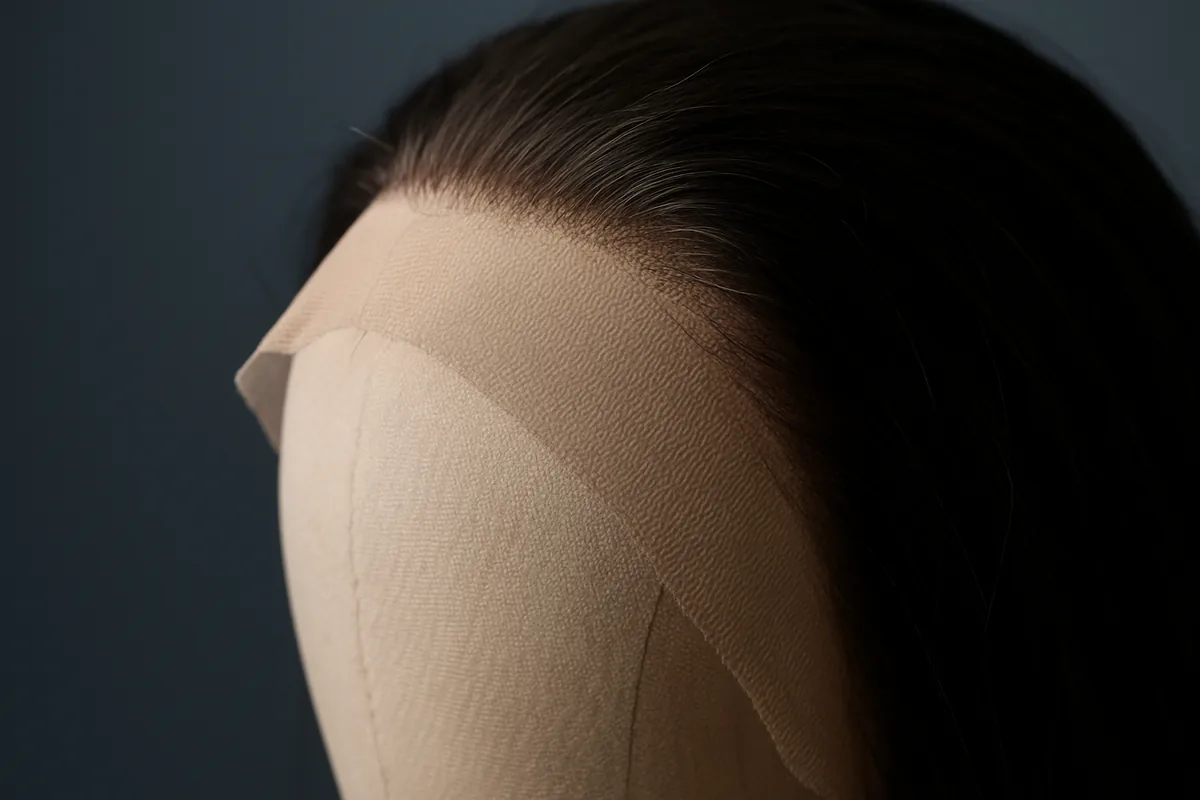
Lace-front construction places a panel of fine lace along the wig’s front hairline; hairs are commonly hand-tied through the lace, while the rest of the cap may use wefts or another construction. The lace lets strands emerge across the edge rather than from a single finished seam, so the hairline can appear softer when hair is swept back. By contrast, a closed or machine-finished front has a stitched or fabric edge, which can look more defined and may be easier to handle. Lace fronts vary in panel width and attachment design, and not every style requires adhesive. The panel needs to sit in the intended position: gaps or lifting can make the edge more visible, while pulling or catching the lace can stretch or distort it. Check the maker’s fitting and cleaning instructions; the choice balances a less obvious hairline against more careful handling and care.
Men’s Wigs and Toupees
Men’s wigs and toupees differ mainly in how much hair they cover and how they are secured. Full wigs cover the scalp, while toupees replace hair across a smaller area, often at the crown or front. Base materials and construction affect appearance, breathability and how the hair moves. Comparing these details helps narrow the options to suit the coverage and wear routine you want.
Coverage and Construction Options
Compare the area covered, attachment method and base before choosing a men’s wig or toupee. Construction also affects how the piece sits and how its hairline appears.
- Coverage: A full wig covers the scalp; a toupee covers a smaller area, such as the crown or front, and can leave surrounding hair visible.
- Attachment: Toupees may use clips, adhesive tape or liquid adhesive; full wigs can use adjustable straps or adhesive, depending on the design.
- Base construction: Wefted bases use rows of hair-bearing strips, while lace, monofilament and thin polyurethane bases offer different finishes and hair movement.
- Fit and wear: Match the piece’s fit and attachment to your usual activity and wear routine; a secure, comfortable fit matters for everyday use.
- Hairline and blend: Compare the front edge and base colour with your natural scalp, and check that the piece’s hair direction suits surrounding hair.
These factors work together: coverage sets the piece type, while attachment, base and fit determine which option suits your intended wear.
Wig Brands and Styles
Brand names can provide a useful starting point when comparing wigs, but a label alone does not describe how a style is made. Product descriptions and range information help you compare the details that matter to your preferences. Look for clearly stated construction features and check whether the information applies to the specific style, rather than assuming every model in a range is identical. Published specifications offer a consistent basis for comparison without implying that one brand suits everyone.
Comparing Brands and Published Ranges
Compare brands through their published styles, range descriptions and construction details, rather than treating a brand name as a measure of performance. Names you may encounter in brand comparisons include Ellen Wille, Jon Renau, Raquel Welch and Gisela Mayer. Check each style’s own description: construction can differ between models, even within a single range.
Look for specific terms such as cap construction, parting detail and whether the front is described as lace. Note which details are stated for each style, and avoid assuming that a feature shown for one model applies to the whole brand. Range breadth can also be compared by reviewing the styles and specifications each brand publishes. A comparison based on these descriptions is not a tested ranking: it records what brands publish, not how products perform in wear. Use the listed details to shortlist styles for closer comparison, then confirm the specifications for the exact model you are considering.
Wig Cap Size and Hair Length
A well-fitting cap helps a wig sit securely and feel comfortable, while the stated length offers a starting point for comparing styles. Measurements are most useful when taken carefully and checked against the supplier’s own sizing chart. A petite fit is designed for a smaller head circumference and may also differ in other cap dimensions. Length can look different once curl, wave, or styling is taken into account.
Measuring Fit and Wig Length
Measure over the hair as it will be worn beneath the wig, keeping the tape level and comfortably close rather than tight. Record each measurement and compare it with the specific wig’s chart.
- For head circumference, place a flexible tape at the centre of the forehead, just above the ears, and around the fullest part of the back of the head.
- Measure front to nape from the front hairline, over the crown, to the point where the cap should sit at the nape.
- For ear-to-ear measurements, follow the cap’s specified route, such as across the top of the head or around the front hairline; these routes are not interchangeable.
- A petite fit is intended for a smaller overall head fit; check circumference and the other listed dimensions rather than choosing by the label alone.
- Wig length is commonly described from the crown to the ends, but curl and wave draw hair upward, making the finished style appear shorter than straight hair.
Check whether the supplier measures the style straight or in its natural texture. Compare the stated length with photos and consider how brushing, heat-safe styling, or a trim may change the final shape.
Who This Guide Is For
This guide is for people in the UK comparing wigs and hair toppers, whether they are considering options for the first time or reviewing familiar choices. Fibre, construction, fit and appearance each shape how an option may suit someone’s preferences and routine. A style photograph alone may not show these practical differences. The topic pages separate the main comparison points so readers can consider one decision at a time. Together, the pages offer a structured reference for comparing choices available in the UK.
Using the UK Guide
UK Wig and Hair Topper Guide is an independent English-language information guide for people comparing options in the UK. It is not a shop, business, service provider, school, organisation or former project of the hairfairywigs.com domain. Its topic pages organise the subject by decision: fibre pages explain differences between human hair and synthetic fibres; construction pages describe cap and front designs; fit pages cover sizing and proportions; and style pages help readers compare lengths, colours and silhouettes. Reading across these topics can connect practical details, such as how a preferred style relates to construction and fit, instead of relying on a photograph alone. The guide does not sell or supply wigs or toppers, offer fittings or consultations, or conduct product testing. Its comparisons explain options; they are not product endorsements or results from hands-on trials.